The Family Tree of the Low Rider ST
It’s Sunday Run time, and let’s get straight into it. It’s very typical of Harley-Davidson motorcycle designers to shine a torch back into the Motor Company’s 123-year history, re-create styling features and cues from the past, and include them in a new model.
The reasoning is built around the fact that if – as a young person - you desired a Fat Boy (for example) or any other model, your bike-dream will be properly and fittingly fulfilled in future years. When you actually buy one, despite countless improvements it will still look, sound, and feel largely like the original older bike you admired.
So today let’s look at the Low Rider ST. In 2022 with the first release of the FXLRST, Factory designers, stylists, and marketers referred to an earlier model – the FXRT Sport Glide produced from 1983 through 1992 on the rubber-mounted FXR frame - as an inspiration for the new ST.
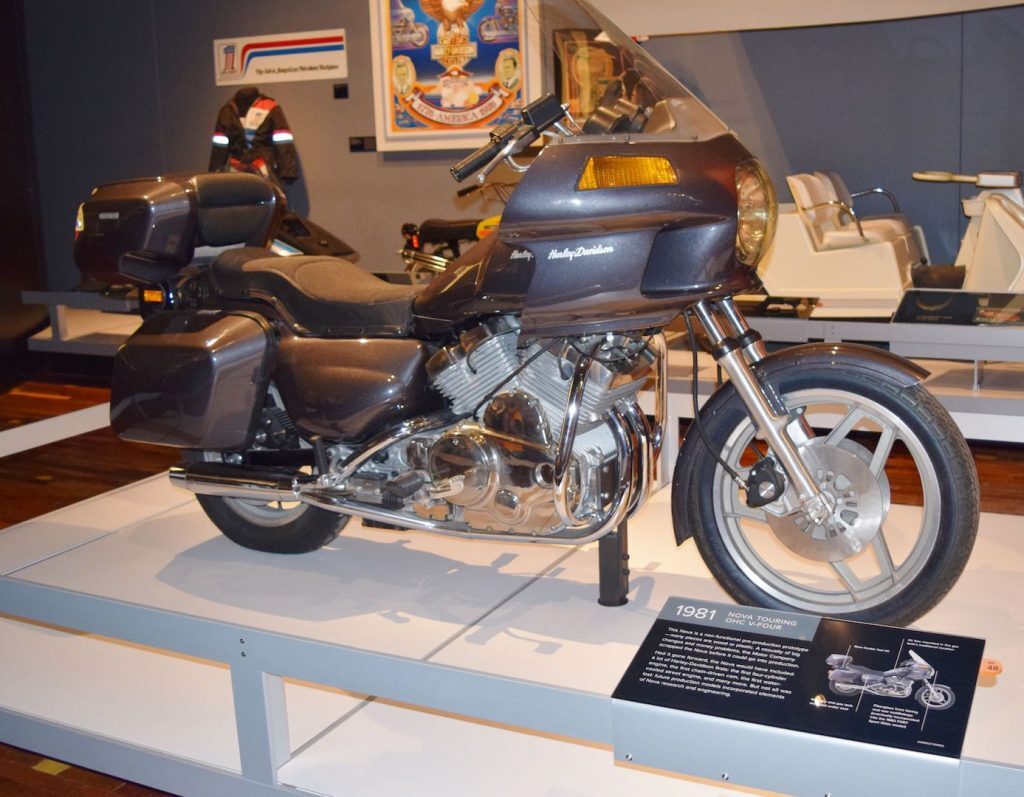
But to find the FXRT in proper sequence leading all the way to the current Low Rider ST, we need to take a wander back into H-D’s family history, so we’ll take this Sunday Run back to 1981... even before the FXRT.
You might have heard of a never-released development model from Harley called Project Nova – a water cooled, V-4 powered prototype. In 1981, Project Nova was abandoned, (even though prototype bikes were built, ridden, and tested), to concentrate on newer versions of more traditional H-D motorcycles and engines. (If you’re unaware of Project Nova bikes, we’ll be covering it in a future Sunday run.)
The first of the new platforms to appear was the 1982 release of the FXR, which rubber-mounted the old Shovelhead engine in the new FXR frame. One year later in 1983, the Shovelhead FXRT (T-for Touring) was produced in very small numbers, and one more year later in 1984 the new Evolution powertrain was introduced into the FXRT.
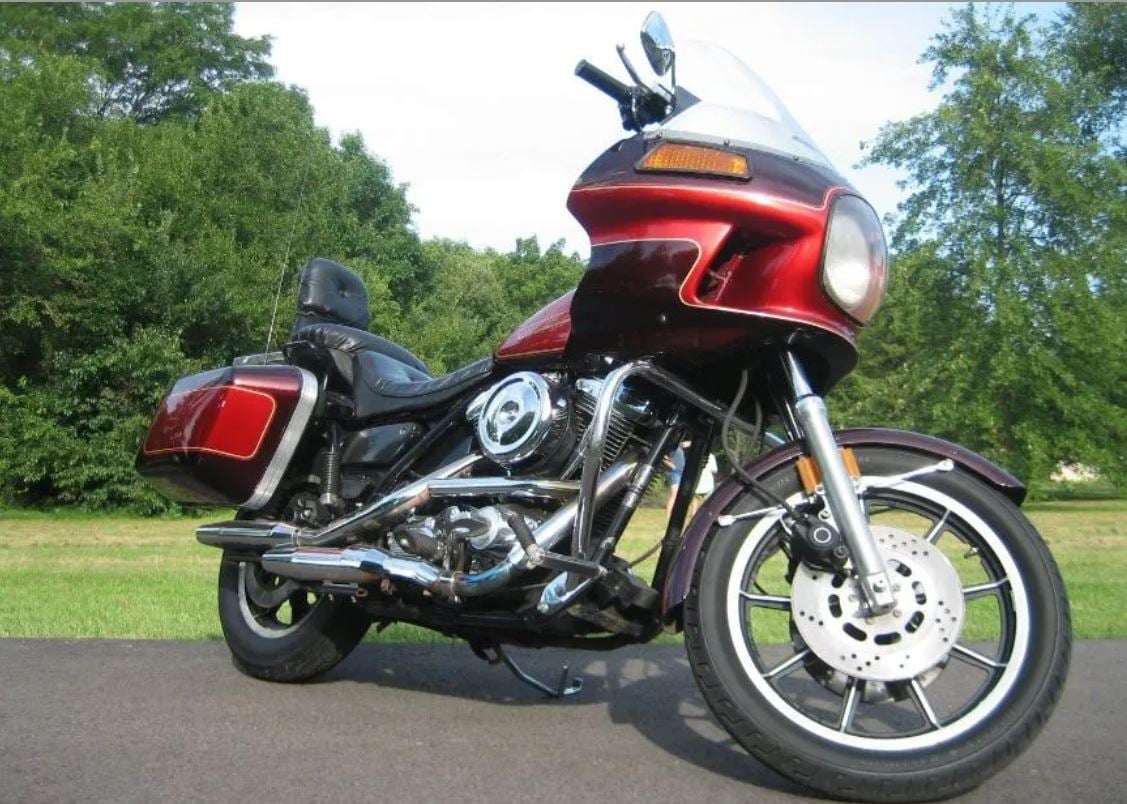
It was a huge success, and impressively crafted. The FXRT was designed to be a lightweight, easy to ride, great handling yet long distance Sport Tourer, with frame-mounted fairing, detachable saddlebags, and it featured anti-dive front suspension and air-adjustable rear shocks.
The FXRT was in the model range from 1983 until 1992. With this story are photos of the Project Nova bike, and the FXRT… check the fairing and bags, and you’ll see how some of the painstaking design work on Project Nova was re-purposed in the FXRT.
Check again and you’ll see the re-styled – but traditionally similar - computer-aided styles on the current FXLRST.
But there are more models in the FXLRST family tree too! The FXRT was discontinued in 1992, and the FXDC Dyna Convertible appeared as its replacement in 1994. Obviously the frame was different, but the Evo engine continued. The bags became leather (detachable) instead of hard, and the fairing was swapped out for a giant detachable windscreen.
But the ethos was the same… a lightweight, easy to ride, great handling yet long distance Sport Tourer. The FXDC changed to the new Twin Cam engine in 1999, and 2000 was its last year of production.
But not for long! In 2001 the Motor Company released the FXDXT Dyna T-Sport, another lightweight tourer with premium suspension, increased ground clearance and lean angles. The leather saddlebags were re-designed, and the fairing made a return in a sleek, smaller style with an adjustable-height windshield. These T-Sport models could really hook-up on twisty roads, but the 2003 100th Anniversary models were the last.
Until 2022! Customer-led desire for another long distance Sport Tourer brought us to the 2022 Low Rider ST. In keeping with Harley’s styling and practical traditions, that 2022 bike also brought back the beautiful lines of the original Project Nova and FXRT frame mounted fairing about 40 years after we first saw it. The saddlebags too have a strong resemblance to the FXRT and Project Nova.
Then in the 2025 model Low Rider ST, a multitude of important changes were introduced with little change to the visuals of the bike… very typical of Harley-Davidson!
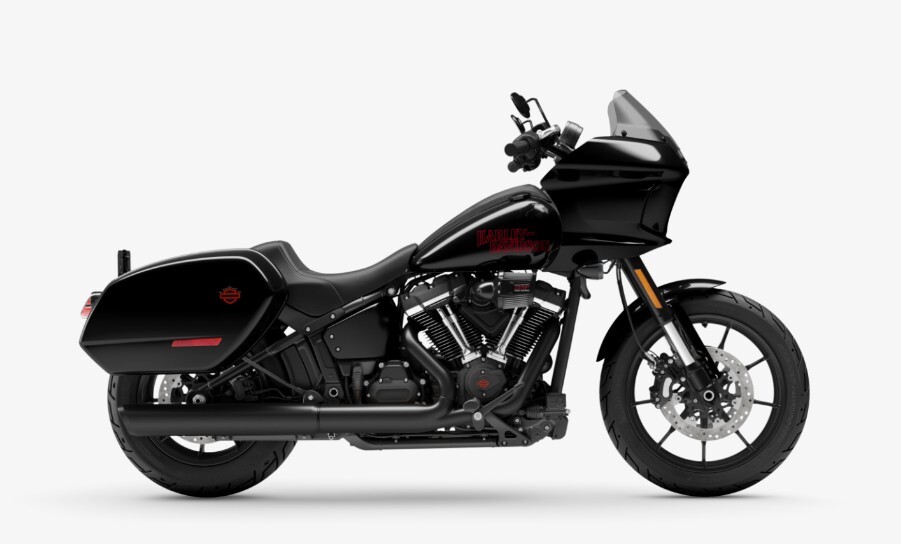
In 2025 and ‘26, visual changes to the exhaust, right-side saddlebag, switchblocks and hand controls, and the speedo/multi instrument are just about all you can notice and call different. But ’25-up bikes have deeper, hidden, genuinely important changes, and as we said they’re included without much styling change.
The invisible improvements are important! The adjustable ride modes, cruise control, adjustable brake lever, USB-C charging point, all LED lighting, re-tuned rear suspension, and all the Rider Safety Enhancements Factory-Standard make the new Low Rider ST easily the best yet.
And there’s more! The Milwaukee-Eight Gen-2 High Output 117 V-Twin is also new, with just a small visual difference to the timer cover. But this engine has had a huge re-design in the air intake, cylinder heads, and other areas for greater power and torque, cooler running, and lowered emissions.
After all that, the current Low Rider ST retains the strong visual references to its earlier model families… from the Nova which was never sold, through the FXRT Sport Glide, and the Dyna Sport Tourer and T-Sport.
We thought you might enjoy following this model history, we certainly enjoy and respect having Harley’s amazing history in our veins. Have a safe and fun riding Sunday!